Tuesday, 29 April 2025

Have you noticed any generational differences in how people cope with stress?


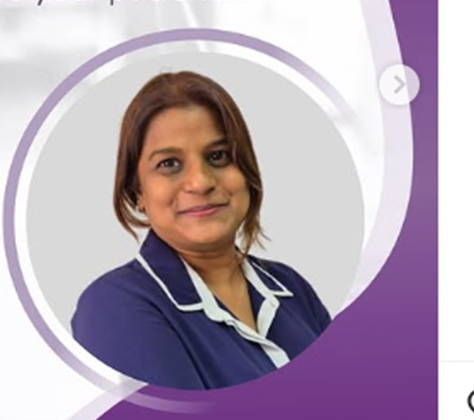
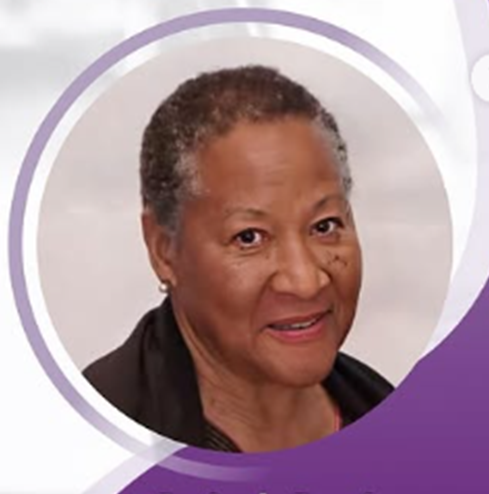
Dr. Paula Henry a Family Physician and Public Health Practitioner from Trinidad and Tobago, with a passion for global health. She attended the University of the West Indies (UWI) Mona, Jamaica, and graduated in 1980, earning her MBBS degree. She also holds a Diploma in Theology from Codrington College, Barbados, an MBA from the University of Edinburgh, a Diploma in Political Science from University of London, School of Economics, and an MPH from UWI St Augustine. Dr. Henry is currently the lead for the WONCA Working Party for Women and Family Medicine (WWPWFM), and the Caribbean Lead WONCA Working Party in Planetary Health. As a director of EarthMedic and EarthNurse Foundation for Planetary Health, she works with other Public Health institutions to underscore that the climate crisis is a health crisis. This is achieved through heightened awareness, education, advocacy and research.  Dr. Henry shares  her perspectives on what mental resilience means to a family physician, below.

Question: Have you noticed any generational differences in how people cope with stress?

AGE PLAYS A BIG ROLE IN HOW PEOPLE MANAGE STRESS.

Expectations were different

Graduating as a doctor in 1980, stress was seen as a normal part of life. The expectation was to ‘toughen up’ and get the job done, while maintaining professionalism. Life was different then, being born a decade after World War II, in a colonial era where poverty, malnutrition, food shortages and infectious diseases like polio, measles and chicken pox were a part of life, as vaccines for such childhood diseases were still being developed. There was limited technology and medical resources to diagnose even severe diseases. Resource maximization was an imperative. One kept focused on the task, while plating the Chocolate Agar disc to diagnose TB, because the microbiology lab was closed for the day, or retrieving a patient’s medical file from the hospital’s filing room at midnight. Continuity of care meant working for 24 hours on-call and 8 hours the following day. There was no doubt that resilience emanated from one’s prayer life, in addition to the use of stress relievers like exercise and meditation. Social and community support were the norm and living in extended family circles where grandparents played an active part, was an assured safety net.  Professional women with children often had live-in domestic help.

Redefining self from the perspective of Human Rights

The Human Rights Act of 1998 came into full force in the UK, in 2000. It allowed persons to bring claims related to breaches of their human rights. It is no doubt that this had a trickle-down effect, which gave rise to the expectation of entitlement.

Life for the younger generation is centered around digital platforms and technology.  This has led to even more challenges for physicians who can now receive personal and professional information real-time with the click of a button. Technology is great. On one hand it makes life simpler, however it increases complexity and uncertainties, both of which challenge one’s mental capacity. Indeed, the challenges of exponential technology coupled with the enforcement of one’s human rights brings with it, an even deeper level of mental health distress.  It is not surprising therefore, that in this era, structured programs were developed as coping mechanisms to reduce stress. Self-care programs, training to ensure work-life balance and mitigation against burnout are normative for the younger generation of doctors, to cope with the daily stressors of life.

Collegiality and Building Relationships

This is a universal principle that was well-developed in the older population of doctors. The older generation viewed the elders in the fraternity as mentors, both within the work-environment and social circles outside. There were open lines of communication, so that concerns could be voiced and heard without fear of judgement or victimization. This created a culture of psychological safety and support. The self-esteemed engendered served as a potent stress reliever. One benefited from the medical care of peers free of charge. Strong horizontal relationships bred trust. These were bi-directional. Attending dinner at the home of the consultant on the team, was just as important as me sitting at the bedside of an older colleague, just hours before her departure from life.

The younger generation builds social relationships often through social media platforms like Instagram, Tik Tok and Twitter. These communication channels can be socially challenging from user vulnerability to personal attacks.

There is nothing comparable to building vertical relationships, through communication with a Higher Power. I refer to this as the ultimate stress reliever.

 Online and Self Care modules

The concept of self-care grew in popularity in the 1950’s with the civil rights movement. Online and Self-care modules however only gained prominence when e-technology formats were introduced. Covid 19 has augmented mental health challenges worldwide, including the CARICOM region.  In a paper recently published in the Lancet, (Quinta Seon et al January 2023), reference was made to pre and post-pandemic mental health challenges with overburdened systems. Despite the strengthening of online and self-care modules, there were no clear structured guidelines for the way forward. Since there is still an urgent need for targeted interventions demonstrating efficiency, it is worthwhile for both the younger and older generations to collaborate for a sustainable solution.

In conclusion

The exponential use of information technology, digital platforms and the threat of epidemics and pandemics with increasing mental health challenges, has intensified stress management programs. Successful stress management involves the balance of traditional methods with the newer structured programs. For maximum utility however it must be rooted in self-discipline.

Monday, 28 April 2025

Building Mental Resilience - How can healthcare systems better support doctors in maintaining their mental well-being?


Dr. Shastri Motilal, a Primary Care Specialist in Trinidad, who also serves as a Senior Lecturer and Coordinator of the Postgraduate Programmes in Family Medicine at the Faculty of Medical Sciences, UWI St. Augustine

Dr. Motilal, gives his his perspectives on how healthcare systems can better support doctors in safeguarding their mental well-being.

To support doctors’ mental well-being, healthcare systems need to focus on both individual coping mechanisms, as well as creating a supportive work environment. To promote personal wellness training can be offered in stress management, mindfulness, and resilience-building techniques. For example, implementing Balint groups has been shown to reduce physician burnout. This is an opportunity for physicians to discuss challenging cases in a peer group setting that help builds empathy, self-awareness and improve doctor-patient relationships. Teaching and prioritizing self-care to all family physicians should be also standard practice and supported throughout careers.

Support must also go beyond wellness workshops. There should be policies that specify adequate staffing targets to minimize exhaustion and burnout. Appointment systems can ensure enough time for patient-centered consultations. This would improve both patient and doctor satisfaction. Access to mental health services is also mandatory where family doctors can voluntarily seek psychological support. Dedicated employee assistance programs with protected time off, can ensure timely access that is also confidential.

Lastly creating a culture of psychological safety and support among peers can also help. Clear lines of communication should exist among peers and leadership so concerns can be voiced and heard without fear of judgement or victimization. Having dedicated mentors in the work environment can offer not only professional guidance but also build confidence, offer motivation and assist with coping.


Dr. Marie-Joanna Francis, a founding Director, and current President, of the Caribbean College of Family Physicians (CCFP) Trinidad Chapter.


Today's spotlight is Dr. Marie-Joanna Francis, a founding Director, and current President, of the Caribbean College of Family Physicians (CCFP) Trinidad Chapter. Dr. Francis is a native of Trinidad and Tobago and a graduate of the University of the West Indies (UWI) School of Medicine (2008). She worked in Emergency Medicine before moving to her passion; Primary Health Care, pursuing her Diploma in Family Medicine (UWI). She served for years in the position of Primary Care Physician II (PCPII) with the South West Regional Health Authority (SWRHA). This role intensely involved medico-legal duties, especially in the area of sexual offences; inclusive of intimate partner violence. 

She is presently attached to the Trinidad and Tobago Police Service (TTPS) as a Senior Medical Officer and the Head of the Medical Unit. She is also an advocate for the advancement of the Caribbean Forensic Society in Trinidad and Tobago. Before her medical path, she was an active volunteer and executive member at El Shaddai Restoration Home for Children. Early in her medical career she ventured out into Amerindian villages in Brazil and Guyana doing health outreach clinics. Throughout the years she has taken many young girls under her wing, helping them get a proper start in life. Dr. Francis served as an Incident Commander for the County Victoria COVID19 Surveillance Team in the combat against the COVID-19 pandemic. She also functions in the capacity of private practice at Doctor Francis and Associates Family Health and Wellness Centre; and is integral in community outreach programmes.


The Caribbean College of Family Physicians | Trinidad Chapter continues its World Family Doctor Day campaign.  They've gathered thought-provoking responses from several family physicians, and we're eager to share their insights with you.

Copy and paste the link: https://www.instagram.com/p/DI85CPvtlJI/?img_index=1 in your browser and  follow the link to our Instagram page and discover her perspectives on what mental resilience means to a family physician.  Link: https://www.instagram.com/p/DI85CPvtlJI/?img_index=1


MENTAL RESILIENCE - DR ROACHE PERSPECTIVES - WFDD 2025


Dr. Sonia Roache, current Executive Director of the Caribbean College of Family Physicians (CCFP) and mentor to many locally and regionally. Dr. Roache is a pioneer in Family Medicine in Trinidad. Originally from Jamaica, she graduated from the University of the West Indies, Mona Campus, in 1964. She worked in hospital prior to initiating her Family Practice here in May 1968. After 56 years of tireless service to her patients and the wider community, she retired from practice in November 2024. Below she gives her  perspectives on what mental resilience means to a family physician.


MENTAL  RESILIENCE

I went, indeed was dragged  into  general practice in 1968 by a fortuitous circumstance, not by choice.

It became  immediately apparent to me that all the training that I  had received  as a hospital-based doctor was totally inadequate for this new task.  I had to retrain myself  and accept that to deliver real care in this new milieu  this training had to be continuous  and for life.  This  needed not only mental acuity  in an environment  of  uncertainty  and virtual aloneness, without the professional  cover  that  obtained  in a hospital  space  but needing emotional and spiritual grounding because your patient(s)  and their families  placed such trust  in you and almost treated you as “prescription- <doctor>.”

Resilience implies rebounding, rebirth,  reinforcing , rebuilding  and this  had to start  with YOU-  the physician because a   person who is well  can better  heal the sick.  So first  heal yourself  and build a personal grounding  from which hope, empathy, caring for suffering  and  true healing  can  be birthed, grow and stay alive.

Integral to this  is honesty, integrity,  patience, humility, non-judgemental acceptance-  developing  a  culture of listening  and involvement without bias, plus intelligent and judicious detachment.  One had always to hone one’s technical ,  communication  and medical knowledge and skills continuously,  and also nurture networking skills  and links  to the professional  community- all this  with the help of Spirit- inner healing.

As age and infirmity  took over, regretfully I also had to learn when to let go-  but still to use  my skills remaining to share  with my community.

The  Family Doctor is  uniquely  and wonderfully placed  to build resilience  and hope- learning when and how to intervene,  counselling with empathy, sensitivity  and  good judgement, guiding in making healthy lifestyle choices and in so doing  become  the healer  for mental  and emotional  ills  that plague  all humanity, the bulwark for the  patient and his/her family in need.


Sonia Roache, R50, May 19 2025

WONCA World  Family Doctor Day

----------------------------------------------------------------------------------------------------------------------------

Dr. Sonia Roache. Dr. Roache is a pioneer in Family Medicine in Trinidad. Originally from Jamaica, she graduated from the University of the West Indies, Mona Campus, in 1964. She worked in hospital prior to initiating her Family Practice here in May 1968. After 56 years of tireless service to her patients and the wider community, she retired from practice in November 2024. She holds the position of Executive Director of the Caribbean College of Family Physicians (CCFP) and is a mentor to many locally and regionally.

Additionally, Dr. Roache is the first Caribbean Family Doctor to be awarded the Global 5 Star Award in 2010, and prior to that, she held the WONCA North America 5 Star Award 2009. She was also rendered a Fellowship of WONCA in 2018, which is WONCA’s most prestigious award.


Saturday, 26 April 2025

Mental Resilience in a Changing World - Just Jane Story #WFDD2025


Mental Resilience in a Changing World

Authored by L. T. Hyatt, Administrator at the CCFP Secretariat


The 2025 theme for WONCA’s World Family Doctor Day — Mental Resilience in a Changing World — speaks volumes. While it is directed towards family physicians and health and care providers, I believe it resonates far beyond the walls of clinics and hospitals. I'm not writing this as a healthcare professional. I write as Jane — just plain old Jane — a woman living day by day, trying to find the inner strength to keep moving forward.

We are all navigating a world that seems to shift beneath our feet. Climate change, political instability, economic uncertainties, and rapid technological changes have become constant companions in our daily lives. On top of that, there is the rising tide of individualism and the increasing disconnect in our communities. In such a world, every single one of us needs an unshakeable armor — that armor is mental resilience.

So, what is mental resilience? To me, it's that quiet, persistent strength deep within — the ability to withstand, adapt, and keep going in the face of chaos, uncertainty, or pain. It’s not about being invincible; it's about finding the courage to carry on even when you’re overwhelmed, afraid, or worn out.

As I age, I notice the toll — physically, emotionally, mentally. I forget things more often. A forgotten birthday here, a misplaced key there, and suddenly a quiet voice whispers Alzheimer’s? The fear creeps in. But then, I dig deep for that “one thing” — my personal spark — that keeps me grounded. It could be faith, a kind word, a memory, a purpose, or the love of family. We all have that “one thing,” even if it looks different for each of us. That is resilience. That is survival.

My hope is that each of us finds our “one thing” — that source of strength that reminds us that we can go on. Mental Resilience in a Changing World is not just a theme — it is a necessary life skill. If humanity is to thrive, not just survive, we must nurture and protect this inner strength, in ourselves and in others.

Let us all dig deep. Let us all fight through. Because the world is changing — and so must we.

Building Mental Resilience in a Changing World” By Dr. Amber Wheatley - #WFDD2025


World Family Doctor Day 2025:
“Building Mental Resilience in a Changing World” By Dr. Amber Wheatley

As a family physician practicing in the British Virgin Islands, this year’s theme—“Building Mental Resilience in a Changing World”—deeply resonates with me. In my daily work, and in my own life, I see how essential mental resilience is for navigating the constant flux of our world: from pandemics and hurricanes to economic shifts and climate change. For me, this theme is about preparing ourselves and our communities to ride the emotional rollercoaster of life—the highs and lows, the expected and unexpected—with strength, presence, and compassion.

Working in rural and remote medicine, I often witness the profound impact of isolation, uncertainty, and loss. However, I also see immense courage, adaptability, and connection. Mental resilience is not about avoiding hardship—it is about developing the inner resources to face it with grace. As both a physician and yoga teacher, I incorporate principles of mindfulness and spirituality into my practice. I set the tone in my clinic with healing music and intentional calm, creating a space that feels safe and grounding. I encourage both staff and patients to be mindful of what they consume—not just food, but music, media, and relationships.

I talk with patients about how we can all build resilience: through movement, breath, connection, community, and kindness. I remind them that even in the face of uncertainty, life goes on—and there is beauty in the present moment.

In our ever-changing world, family doctors are anchors in our communities. We are witnesses to people’s most vulnerable moments, and through our presence, we can help build a culture of hope, strength, and care.


BUILDING MENTAL RESILIENCE IN A CHANGING WORLD #WFDD2025


Dr. Owen B. O'L. James (Retired Physician, Jamaica) Shares His Reflections on the WONCA World Family Doctor Day 2025 Theme: "Building Mental Resilience in a Changing World"

The theme resonates deeply with me, as the "new world"—marked by rapid changes, revisions, removals, and replacements in the environment in which we live and operate—has introduced new stresses and strains. The familiar ways in which we once conducted our daily lives are no longer sufficient. Traditional mores, customs, norms, and standards have been significantly altered, if not altogether abolished.

In response, we must develop new processes and approaches, grounded in a careful analysis of our current realities and how best we can adapt to survive—and ideally, to thrive—amidst ongoing transformation.

Today, certainty around the accuracy of information has become elusive. We are frequently confronted with misinformation and "alternative facts," which, if acted upon, may lead to undesirable, unpleasant, and even physically or mentally harmful outcomes.

This reality gives rise to a critical question: Who or what can we trust to guide us safely and correctly through these uncertain times?

Losses—whether financial, material, health-related, or personal—can lead to profound emotional and psychological consequences, including severe mental distress.

Although I am now retired from active medical practice, I continue to hear medical concerns and offer guidance where appropriate. Based on my experience, I offer the following recommendations for building and maintaining mental resilience:

  • Exercise Caution: Approach all information with skepticism. While this may seem overly cautious, maintaining a mindset of "look before you leap" can serve as a protective measure.

  • Seek Counsel: Discuss your plans, proposals, and new ventures with trusted family members, friends, and colleagues whose opinions you value.

  • Prioritize Health: Maintain good nutrition, regular sleep, and manageable levels of exercise.

  • Stay Mentally Engaged: Keep your mind sharp through activities such as crossword puzzles, word games, and other cognitive challenges.

  • Foster Positive Relationships: Maintain affectionate, congenial, and reliable companionships.

  • Nurture Spiritual Well-being: Engage in prayer and reflection as sources of strength and grounding.

In navigating the uncertainties of today’s world, these practices can help cultivate the resilience needed not just to survive, but to live well.

(obj.april2025)


Thursday, 17 April 2025

World Family Doctor Day 2025 - Building Mental Resilience in a Changing World


Building Mental Resilience in a Changing World

By Administrator - CCFP


Celebrating the Heart of Primary Care

Each year on May 19, family doctors across the globe are celebrated for their vital role in health systems and the lives of individuals, families, and communities. This day—World Family Doctor Day (WFDD)—is an opportunity to spotlight the contributions of family physicians and primary care teams, and to raise awareness of the health issues that matter most in primary care.


A Brief History of World Family Doctor Day

World Family Doctor Day was first launched in 2010 by the World Organization of Family Doctors (WONCA). Founded in 1972, WONCA is a global not-for-profit organization representing family doctors and general practitioners across more than 130 countries and territories.

The declaration of May 19 as World Family Doctor Day created a space to honor the essential work of family physicians—from delivering frontline healthcare and preventive services to managing chronic illnesses and advocating for better health policy.

Each year, WONCA selects a theme that focuses global attention on a critical issue in family medicine. For 2025, the chosen theme resonates deeply in our current climate of change:

"Building Mental Resilience in a Changing World"


Why This Theme, and Why Now?

We live in a time marked by rapid and unpredictable changes: pandemics, economic challenges, social unrest, climate-related disasters, and digital transformation. These global and local shifts have placed enormous pressure on mental health—for patients, families, and healthcare providers alike.

In such a world, mental resilience, the ability to cope, adapt, and thrive through adversity, becomes not just a desirable trait—but a necessity. Family doctors, often the first point of contact in healthcare systems, are both witnesses and participants in this daily challenge.


The Physician’s View: Resilience at the Frontline

Family physicians shoulder diverse responsibilities: diagnostician, counselor, advocate, educator, and sometimes even emergency responder. This emotional labor—combined with administrative pressures and system-wide demands—places doctors at risk of burnout and compassion fatigue.

As a result, there is a growing movement within the family medicine community to prioritize self-care, peer support, and mental wellness. Practicing mindfulness, seeking mentorship, and setting professional boundaries are some of the ways doctors are now building their own resilience.

“We cannot pour from an empty cup,” says one Caribbean family doctor. “Taking care of our own mental health allows us to be fully present and compassionate with those we serve.”

Organizations like WONCA and regional networks such as the Caribbean College of Family Physicians (CCFP) are supporting this shift by offering wellness-focused webinars, safe spaces for dialogue, and professional development in mental health and resilience-building.


The Patient’s View: Navigating a New Normal

For patients, the landscape of everyday life has shifted—sometimes drastically. Anxiety, depression, grief, social isolation, and economic stress have become more common, affecting people from all walks of life.

Family doctors, with their long-standing relationships and community-based focus, are well-positioned to foster trust, hope, and empowerment in their patients. They offer a safe space where concerns can be voiced and emotional pain acknowledged—without judgment.

Through regular check-ups, supportive conversations, and appropriate referrals, family doctors help patients develop coping strategies and emotional skills that enhance resilience.

“My family doctor saw me through cancer, grief, and depression,” shares one patient. “She reminded me that I wasn’t alone—and that was my anchor.”


The Community’s Role: Collective Resilience

Resilience is not only an individual trait—it’s also a community characteristic. Many of the stressors affecting mental health—poverty, violence, housing insecurity, climate events—are structural and environmental.

Family doctors, embedded within their communities, play a key role in linking health care to social care. They collaborate with schools, faith groups, local NGOs, and government entities to design and deliver community-wide mental health initiatives.

Whether through outreach programs, school-based wellness activities, or telehealth counseling services, family doctors advocate for accessible, stigma-free mental health support.

In the Caribbean, where natural disasters and socioeconomic disparities can amplify psychological distress, these partnerships are essential to community resilience and long-term recovery.


A Call to Action: Heal the Healers, Strengthen the Systems

The 2025 WFDD theme, “Building Mental Resilience in a Changing World,” calls on us to reflect and respond:

  • For physicians: Let us continue to invest in our own well-being. A resilient physician is a better advocate, a clearer thinker, and a more compassionate healer.

  • For patients: Let us recognize that seeking help is a sign of strength. Mental resilience is about flexibility, not perfection.

  • For communities: Let us address the root causes of psychological stress and create environments where people feel supported and empowered to thrive.

Resilience is not a fixed trait—it is a skill that can be nurtured through support, understanding, and intentional action.


Conclusion: Celebrating the Past, Embracing the Future

World Family Doctor Day 2025 is more than a celebration—it is a moment of reflection and a platform for renewal. As we honor family physicians around the globe, let us also recommit to creating systems and societies that value mental well-being as part of holistic health.

Let this year’s theme inspire new conversations, stronger partnerships, and deeper empathy across our health systems. In doing so, we acknowledge the role of family doctors not just as medical professionals—but as pillars of resilience, healing, and hope in a changing world.

Visit: https://www.globalfamilydoctor.com/member/ForMemberOrganizations/WorldFamilyDoctorDay

Visit: https://worldfamilydoctorday.org/

A Message to GPs and Family Physicians


A Message to GPs and Family Physicians

Self-esteem and self-motivation — do not sell yourself short. Unity is power — only we can build ourselves.

The general perception of the General Practitioner has long been skewed. Too often, GPs are seen as dropouts, the bottom of the barrel—lazy, lacking in knowledge, money-hungry, and overly concerned with financial stability and social standing. We are sometimes regarded as the old-time “country doctor,” a jack of all trades but master of none. This perception has contributed to limited earning power in our field, where income seems to depend more on quantity than quality.

But if we are true to our potential in the profession of Family Medicine—the youngest of all medical specialties—this view is far from accurate. Family Practice is much more than simply being a GP. A Family Practitioner is a GP who is intentional about their choice of profession and mode of practice. They understand the important place Family Medicine holds among other medical specialties and how it is increasingly valued by patients.

The successful Family Physician is often the doctor most respected, most trusted, and most loved by patients—a truth even acknowledged by specialists in other fields. Professor Bartholomew once shared his amazement when a patient, whom he had just diagnosed, insisted on discussing the findings with “his doctor” before making any decisions. That “doctor,” of course, was the FP who referred him.


The Specialist for the Patient

The Family Physician is the specialist for the patient—the advocate and voice from cradle to grave, across all ages and genders. I often describe us as the conductors of an orchestra, harmonizing all aspects of patient care in the context of the individual, family, community, and wider society.

We are more than healers and providers. We are problem solvers and guardians of wellness, charged with keeping our patients in the best possible health. As such, the FP must be a lifelong learner, committed to continuous professional growth long after medical school. We must be unafraid to say, “I don’t know—but I will find out or find someone who does.” Integrity, humility, and honesty must remain at the core of our practice.


Beyond the Clinic Walls

The Family Physician is also a businessperson, managing practices, staff, and even collaborating with other specialists or alternative health practitioners. The scope of our work is only limited by our interests, passion, imagination, and time.

FPs are deeply connected to their communities. We live and work where health meets the real world—where social determinants shape outcomes, and technology is an ever-present tool. We are innovators, collaborators, and thinkers. We engage with NGOs, faith-based organizations, businesses, governments, and our peers. Being part of networks like WONCA or CCFP broadens our sense of self and purpose.

Family Practice allows us to nurture relationships, build families, and foster deep human connections. Perhaps this is why so many of our women physicians are drawn to the specialty.


The Power Within Us

The FP can be a sole practitioner, a lecturer, an academic, a researcher, a mentor, a change-maker, or even a politician. The possibilities are endless.

Yet, our greatest challenge in the Caribbean is shortsightedness and insularity. We fail to recognize our collective power—our ability to move as one with purpose and pride. We underestimate ourselves as a specialty, despite being the very bedrock of health systems around the world.

We are still young as a discipline.
But the question remains: Is there still time?


– Dr. Sonia V. Roache-Barker

Dr. Sonia V. Roache-Barker, MBBS (UWI–London), FCCFP

Executive Director, CCFP | Family Physician

January 19, 2024


Veteran caregiver Dr Aldyth Buckland receives WONCA Five Star Doctor award for North American region

WONCA, the World Organization of Family Doctors, has awarded Jamaican caregiver Dr Aldyth Buckland, an accomplished general practitioner and family doctor, the organisation’s Five Star Doctor Award, which celebrates excellence in health care.

The winners for 2024 have demonstrated outstanding contributions in the five key areas: care provider, decision-maker, communicator, community leader, and manager,” WONCA said in a statement.

WONCA North America region member organisations are the American Academy of Family Physicians; the American Board of Family Medicine; the Association of Departments of Family Medicine; the Caribbean College of Family Physicians, the College of Family Physicians of Canada (CFPC), and CFPC Section of Teachers & Section of Researchers.

Dr Buckland, co-chair of the Planetary Health Working Group at the Caribbean College of Family Physicians, has been a leading advocate for tobacco control and planetary health. Her extensive work in family practice, combined with her certifications in various holistic therapies, demonstrates her holistic approach to patient care. Dr Buckland’s leadership in medical organisations and her advocacy efforts have led to significant health policy changes in Jamaica. Her effective communication and team-building skills have made her a respected figure in both her local community and the broader medical community.

Dr Buckland attended Wolmer’s Prep and Wolmer’s Girls’, where she played football at school and was a member of the school choir and a senior prefect. While in high school, through the Red Cross, she was certified in home nursing and first aid and participated in the Friends of the University Hospital of the West Indies programme during summer holidays.

She was interested in becoming a medical doctor, a teacher, and a farmer. She attended The University of the West Indies (UWI) and graduated with the MBBS in 1984.

She has had her private practice in Kingston since 1993. She had been an accredited member of the Caribbean College Of Family Physicians since 1994. In the Jamaica chapter, she served in various roles.

Dr Buckland received a 2009 award from the Department of Community Health and Psychiatry in appreciation for her contribution to the teaching of the medical programme at The UWI. The UWI Alumni Online listed her in its Points of Pride as a person who had excelled in her category and had been recognised as having regional or international impact. In 2017-18 she served on the Ministry of Health human papillomavirus (HPV) vaccine introduction steering committee to prevent cervical cancer in high school girls.

I am really delighted to have been selected for this award as I have valued the attributes of the Five Star Doctor as together these attributes always yield excellence in health care,” Dr Buckland said. “I hope that this award will inspire other health-care professionals to embrace these attributes. Working as a team and in teams we can improve health care for our people, our families, our communities in Jamaica, in the Caribbean, in the North America region, and the other regions of the world.”

Dr Buckland currently practices integrative medicine and has been trained in various holistic methods such as hypnosis, neurolinguistic programming, time techniques, and emotional freedom techniques.

Credits: Jamaica Observer, February 16, 2025

Congratulations Message to Professor Colette Cunningham-Myrie


*Congratulations Message from the Caribbean College of Family Physicians*

 Professor Colette Cunningham-Myrie,

On behalf of the Caribbean College of Family Physicians (CCFP), we extend our heartfelt congratulations to you on your outstanding achievements in the field of family medicine and your paramount expertise in noncommunicable diseases within the Caribbean region. Your remarkable work in addressing critical public health challenges such as diabetes, physical activity, obesity, and sickle cell disease in low and middle-income countries has not only garnered recognition but has also made a significant impact on health outcomes and awareness in our communities.

The assessors have aptly noted the practical utility of your research, especially as it utilizes the invaluable data from the Jamaica Health and Lifestyle Survey. Your timely analyses shed light on pressing public health issues, enhancing our understanding of the chronic disease burden and how local determinants interact with population health dynamics in Jamaica.

With over 30 peer-reviewed publications in esteemed journals such as the British Journal of Hematology, Pediatrics, Journal of Clinical Epidemiology, BMC Public Health, and Helicobacter, you have left an indelible mark in your field. Your extensive contributions, including a book chapter, 35 conference papers, 13 technical reports, and numerous special presentations, further underline your commitment and expertise. Your recognition as a recipient of the prestigious Humphrey Fellowship and your role as a Visiting Scholar at Tulane School of Public Health demonstrate your leadership and dedication to advancing public health research.

Your excellence as an educator, acknowledged by the UWI, is evidenced by your mentorship of 10 graduate researchers and your impactful courses in Family Medicine, Epidemiology, and Public Health. Your contributions to the Jamaican Ministry of Health and Wellness on the Essential National Health Research Committee illustrate not only your expertise but also your unwavering commitment to improving health outcomes within our communities.

Congratulations once again, Professor Cunningham-Myrie, on your remarkable achievements and invaluable contributions to public health. We look forward to your continued successes and the positive changes you will inspire in the field of family medicine.

Caribbean College of Family Physicians

A Tribute to Dr. Oliver Young Pong - Founding Member, CCFP-Trinidad & Tobago


A Tribute to Dr. Oliver Young Pong

Founding Member, CCFP-Trinidad & Tobago

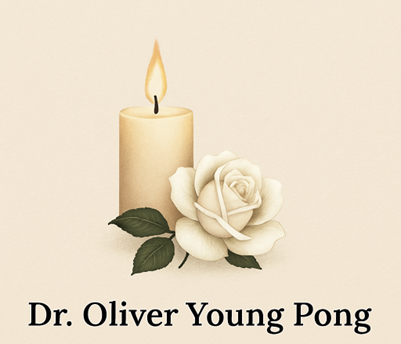
We join the family medicine community across the Caribbean in mourning the loss of Dr. Oliver Young Pong — a cherished colleague, mentor, and true pillar of the Caribbean College of Family Physicians (CCFP), Trinidad & Tobago Chapter.

Dr. Young Pong was a Founding Member of the of CCFP-Trinidad & Tobago  and served faithfully as Honorary Treasurer under the leadership of Presidents Dr. S. Roache and Dr. Chris Beaubrun. He also held the critical role of Bank Trustee for the Trinidad Chapter, serving with integrity, diligence, and a deep commitment to the mission of advancing family medicine in our region.

Beyond his service to the College, Dr. Young Pong was a consummate professional — a physician whose dedication to his patients, his practice at Western Medical Centre, and his community reflected the highest ideals of our vocation. He was not only a healer but also a leader, quietly shaping the foundation of primary care in Trinidad & Tobago and inspiring generations of family physicians to follow.

Dr. Young Pong’s legacy is one of compassion, stewardship, and service. He brought wisdom and warmth to every meeting, every patient encounter, and every initiative he supported. His quiet strength and unwavering support of the CCFP will be deeply missed but never forgotten.

To his family, friends, colleagues, and patients — we extend our heartfelt condolences. May you be comforted by the knowledge that his life made a difference and that his contributions will continue to live on in the work of the College and in the hearts of all who knew him.

May his soul rest in eternal peace.


Caribbean College of Family Physicians

WORLD FAMILY DOCTOR DAY 2025 THEME: Building Mental Resilience in a Changing World – A Family Physician’s Perspective


Building Mental Resilience in a Changing World – A Family Physician’s Perspective

By Dr. J. Humphreys, MD, MSc IM (Edin), MPhil PPA (Health Policy), MDiv, ThD, PhD, MCCFP, MEAACI, FFM, FICPS, FMC

As a family physician and health care provider for the past twenty years, the theme “Building Mental Resilience in a Changing World” speaks directly to the heart of our role in navigating uncertainty—both for ourselves and our patients. The world around us is evolving rapidly, with shifting socio-economic landscapes, public health challenges, climate-related stressors, and digital overload. These changes profoundly impact mental well-being, making resilience not just a concept, but a necessary tool for survival and growth.

To me, mental resilience means the ability to adapt, recover, and maintain balance in the face of adversity. It is not about the absence of stress or struggle, but rather the presence of strength, adaptability, hope and the ability to cope without distractions from one’s normal life. In a time when burnout and emotional fatigue are prevalent among both patients and healthcare professionals, cultivating resilience is not only essential, but critical.


In my daily practice, I incorporate the principles of mental resilience through empathetic listening, creating a safe space for open dialogue, and reinforcing self-care as a pillar of health. I guide patients in recognizing their strengths, building coping strategies, and accessing support systems. Whether through brief mindfulness techniques, promoting community engagement, or encouraging work-life balance, I aim to empower individuals to regain control amidst chaos. To do this, I had to be proactive in equip myself with the relevant training, through certifications as a mental health provider and trainer of trainers in psychosocial support and psychological first aid. Moreover, I had to be an exemplary leader by forging mental health resilience into my own psychological construct. I, therefore, prioritize my own well-being through reflection, peer support, and maintaining boundaries—acknowledging that I must care for myself before I can care effectively for others.

Within my community, I advocate for mental health education, protection gender and inclusion, and de-stigmatization, recognizing that resilience is not built in isolation. These aims are pursued within my personal capacity as well as in my capacity as the President of the Antigua and Barbuda Red Cross Society.

In this changing world, our greatest tool is our humanity. By fostering mental resilience, we not only support recovery but help our patients and communities thrive. As we celebrate World Family doctor Day 2025, let this theme serve as a timely reminder that in the face of uncertainty, we can choose to be anchors of strength, compassion, and continuity.  Blessed Love!

Let Drinks be thy Medicine.'' [Part 1]


“Let Drinks be thy Medicine.'' [Part 1]

 Dr. C.V. Alert, MB BS, DM.

Family Physician.

 “Let food be thy medicine and medicine be thy food.''

Hippocrates, Greek Philosopher and Physician, and the Father of Medicine.

Both undernutrition and over-nutrition cause major health problems in various parts of the world. In most parts of the Caribbean we still have pockets of undernutrition; however over nutrition and its complications, such as overweight and obesity, dominates the landscape.

What we eat and what we drink play a significant role in health promotion and in disease prevention and management. To avoid various disease states, advising persons on variety, balance, and moderation of food and drinks, is important in promoting a healthy lifestyle. It is perhaps unfortunate that, in Barbados today, we have so many unhealthy persons that the focus of many physicians has switched towards attempting to treat, rather than prevent, disease.

Simple, everyday changes in eating and drinking behaviors can go a long way in disease prevention, and even the reversal of many disease states.

So how do we turn our drinks into medicine, and get medicinal effects from our drinking?

Plain water is the most important drink for everyone, offering a myriad of health benefits.

1. Prevents constipation

If you do not drink enough water, you are more likely to experience constipation. On the other hand, if you constipated, drinking plain water can help ease symptoms. Drinking water regularly also helps to prevent constipation by ensuring unconstrained bowel movements.

2. Aids digestion.

Taking water before, during, and after a meal helps your digestive system to break down the food you eat more easily. Therefore, if you frequently experience digestive system problems, you should drink water immediately you eat.

3. Supports kidneys health.

Your kidneys play an important role in regulating blood pressure, maintaining water levels, and filtering waste. 

4. Boosts skin health.

Drinking water plumps up your skin cells, minimizing the appearance of wrinkles and fine lines, which keeps you looking younger. Drinking water also keeps your skin glowing by flushing out impurities and toxins that dull your skin from the body.

5. Makes you work out better.

Before starting your home workouts or hitting the road, you should always strive to first consume adequate water. Although some people tend to drink water during workout sessions, what is optimal is that you should take adequate water before, during and after workouts. Although the adequate amount of water that you should drink depends on various factors such as weather, activity level and how much you sweat, you should drink at least two cups of water about two hours before working out and five to ten ounces of water every 20 minutes during your workout sessions.

6. Improves mood.

If your mood is low, you should consider taking a glass of water. Some cognitive problems, negative mood, fatigue and anger increase when you are dehydrated. To avoid stress and improve your mood, you should not wait until you are thirsty to drink water. Thirst is a symptom of dehydration. Dehydration is associated with increased anger, fatigue, and confusion, as well as decreased vigor. You need to drink adequate water for your body organs to work properly. Drinking water also helps to maintain healthy blood pressure and heart rate.

7. Helps you control weight.

A pre-meal glass of water can help persons avoid overeating and stay hydrated. Drinking 8 oz (a normal sized glass) of water prior to each meal to help improve satiety and increase overall water intake. In our very hot climate, drinking water, especially instead of sugar sweetened beverages, is the desired option. Drinking water also eliminates the need to take beverages high in sugar that can make you gain weight.


8. Boosts the immune system.

Water plays a vital role in boosting the immune system in several ways that include flushing harmful toxins from your body and transporting oxygen to the body cells, ensuring proper functioning of the body. The importance of drinking water on your health cannot be better highlighted by the fact that drinking water helps fight the flu and its symptoms. 

 9. Flushes out toxins.

Water helps your body get rid of harmful toxins through sweat and urine. And by getting rid of toxins, water helps to keep the kidneys and urinary tract healthy. For this reason, you should always ensure that you are drinking adequate water to get rid of toxins from your body fully.

10. Boosts your brain power.

People tend to drink a cup of coffee or tea when they are looking for a mental performance boost. However, what they do not understand is that taking a glass of water is more beneficial to your brain than taking a cup of coffee. With 73-percent of your brain made up of water, drinking water regularly helps you focus, think, concentrate, and stay alert.

Studies have shown that being dehydrated by just two-percent affects your performance. Dehydration negatively affects your brainpower by reducing your cognitive and motor skills.

11. Prevents headaches.

Drinking water helps to prevent and relieve headaches caused by dehydration.

12. Prevents cramps and sprains.

Dehydration is also associated with cramping and can lead to sprains.  By drinking water, it makes your muscles and joints more flexible reducing the likeliness of experiencing sprains and injuries.

13. Regulates body temperature.

Water is essential in regulating your body temperature. When it gets hot, your body uses sweat to cool down. Drinking water replenishes the lost fluid through sweat ensuring that you are comfortable in a hot environment.

14. Prevents bad breath.

Most people don’t know is that in addition to the kind of food you eat, bad breath can be a sign of depriving yourself enough drinking water. Drinking water frequently and after eating significantly aids in washing away oral bacteria and leftover food particles that cause bad breath.

15. Helps your heart.

Drinking a sufficient amount of water helps to maintain the proper viscosity of blood and plasma as well as the distribution of fibrinogen thereby ensuring good heart health.

16. Ensures efficient transportation of nutrients throughout the body.

The minerals and nutrients dissolve in the water making it possible for them to reach all your body parts.

17. Aids in keeping your eyes, nose, and mouth moist.

Dry mouth and itchy eyes, for instance, can be exacerbated by the lack of drinking adequate water on a daily basis.

18. Helps fight disease.

Drinking adequate water can help fight off major diseases because water helps in keeping various body nutrients and minerals in balance. If you are drinking enough water daily, you are hence less likely to suffer discomforts and illnesses such as constipation, migraines, urinary tract infection, kidney stones, exercise-induced asthma, hypertension, and even diabetes.

Alcohol.

Of course, in our part of the world, it would be folly not to include a few thoughts about alcohol consumption. In the first instance, alcohol and children must never mix.  All adults, if they must drink, must drink responsibly, and bear in mind the three stages and 6 Ds of alcohol consumption:

Stage 1: Dizzy and Delightful;

Stage 2: Drunk and Disorderly

Stage 3: Danger of Death.

Stages 2 and 3 should never be reached. There are ‘medical’ suggestions for safe quantities of alcohol consumption:

·         Female: No more than 1 drink per in a single day and no more than 7 drinks per week.

·         Male: No more than 2 drinks in a single day and no more than 14 drinks per week.

·       All adults age 65 and older: No more than 1 drink a day and no more than 7 drinks per week.

A person’s overall health status, and previous experience with consuming alcohol, may dictate that additional ‘moderation efforts’ may be necessary.

Hydration matters.

Water is essential for digestion, metabolism, and overall bodily functions. Staying well-hydrated improves energy levels, cognitive function, and supports weight management. Aim for at least 8 glasses per day, and consume water-rich foods like cucumbers and watermelon.

 Tips for Staying Hydrated.

·      Carry a reusable water bottle. Invest in one with markers so you can keep track of how much fluid you have consumed.

·     Drink before you get thirsty. Thirst is a sign of dehydration, so stay ahead by drinking before you experience thirst.

·     Create a routine: Make it a habit to drink a glass of water the first thing every morning, before every meal, and before you go to bed at night.

Some additional beverages.

·      Herbal teas, like Chamomile green tea and peppermint, have additional benefits like aiding digestion and boosting immunity.

·       Electrolyte Drinks: are recommended to replenish water and electrolytes  for any high intensity activity that last 20 minutes or more.

·  Natural fruit juices : Choose fresh unsweetened juices with no added sugar and preferably with the fiber left in.

Navigating social drinking.

·   Choose alternate Drinks: Balance alcoholic beverages with water or soda water to stay hydrated and minimize alcohol intake.

· Choose Healthier Options: Opt for light beers, wine spritzers, or mocktails (a nonalcoholic cocktail) instead of sugary cocktails or heavy liquors.

·   Set a Limit: Decide your drink count in advance and stick to it, no matter the social pressure.

·    Time Your Drinks: Spread out your drinks over the evening to avoid overindulging quickly.

·       Don’t drink on an empty stomach: Consuming a healthy meal before drinking helps slow alcohol absorption and reduces its effects.

Beware Sugar Sweetened Beverages.

·         Impact on Health: Excessive consumption of sugary drinks contributes to obesity, type 2 diabetes, and tooth decay.

·         Portion Control: If you choose to indulge, stick to small portions and savor your drink mindfully.

·         Opt for Alternatives: Replace sodas and energy drinks with sparkling water, or herbal teas.

·         Read the label: Check sugar content in packaged drinks—some may contain more sugar than expected

How climate impacts hydration needs.

·         Adjust for Heat: In hot climates like the Caribbean, drink more water to replenish fluids lost through sweat. Avoid working or playing outdoors during the hottest parts of the day.

·         Account for activity Levels: Increase your water intake during physical activities or when spending extended time outdoors.

·         Stay Cool: Opt for chilled water or electrolyte beverages to regulate body temperature and stay refreshed.

·         Monitor Signs of Dehydration: Pay attention to symptoms like dry mouth, dizziness, or dark urine, which indicate you need more fluids. 

So the Father of Medicine Hippocrates was ‘spot on’ when he predicted that what one drank or ate, could lower or raise one chances of contracting a multitude of diseases. Of course one’s eating and drinking habits must form part of an overall healthy lifestyle program, which also includes regular exercise, safe sex practices, good sleeping habits, avoid minimizing stress, and getting targeted regular check-ups. Even though Hippocrates lived over 2000 years ago somewhere between 460-370 BC, his thoughts are still applicable today.

Firearms Trafficking and Public Health

 The document is a report titled "Pathway to Policy: Firearms Trafficking and Public Health in the Caribbean," which aims to impro...