Monday, 12 May 2025

WORLD FAMILY DOCTOR DAY 2025 - MENTAL WELLNESS

 World Family Doctor Day 2025. - Dr. C.V.Alert MB BS, DM., Family Physician.

“We are all just prisoners here, or our own device”. - The Eagles, from”Hotel California”, 1972.


World Family Doctor Day is on May 19 every year. Founded by the World Organization of Family Doctors (WONCA) in 2010, World Family Doctor Day has grown into a global celebration of the importance of family doctors in health care. World Family Doctor Day 2025 will highlight the vital role family doctors play in mental wellness, emphasizing our ability to care for our patients.

The rise in mental illnesses today has many possible explanations. Modern stressors such as economic pressures, social isolation, and the pervasive influence of technology have also contributed to the growing prevalence of mental health challenges. Global events like the COVID-19 pandemic have further exacerbated these issues, highlighting the urgent need for accessible mental health care. While advancements in diagnosis and treatment have improved, the demand for mental health services often outpaces availability, emphasizing the importance of continued efforts to address this global concern.

Mental illness can affect some ‘normal’ persons, who are overwhelmed by everyday situations that push them into anxiety or depression. Today, people have fewer friends and less time for interacting and are less likely to engage in activities that bring them into contact with other people. “You are not alone, but you may be lonely”. Recent research has linked chronic loneliness/social isolation to depression, dementia and even early death.  Mental illness can affect some persons who choose to use and abuse drugs like alcohol, marijuana and cocaine.  And mental illness can affect some individuals who, perhaps because of a genetic predilection, develop diseases like schizophrenia or a bipolar disorder. Sometimes symptoms of mental health appear as a physical problem, such as stomach pain, back pain, headaches, or other unexplained aches and pains.

Family doctors provide many areas of patient care, including routine examinations such as well-baby and child care, vaccines, screening for the multitude of ‘silent killers’ that have infiltrated Caribbean populations, healthy lifestyle counseling, and treatment of common chronic illnesses. Importantly, the family physician can also be the point of first contact with the health services for persons with stress related and other mental health issues, especially in an environment of a shortage of mental health professionals. The family physician can function in other roles too, such as sports medicine, as well as public health and public health education. These doctors provide general care and, when necessary, consult with other specialists.

Benefits of having a Family Physician.

A doctor is not just a person you think of when you are sick. It is equally important to focus on staying healthy, and this includes both physical and mental health. Patients who see their family physicians regularly and over a long period are better taken care of than those who don’t. A long-term relationship with a family doctor means that he or she gets to know you, your family, and your health care needs. Because your family doctor keeps your medical records, he or she can better organize your care.

 Family doctors are dedicated to long-term care.

·    Family doctors are dedicated to providing long-term care for you and your family. They identify and treat you as a whole person. They are your initial point of contact with the health care system. Patients can receive care from their family doctors not only in their offices, nursing homes, but even the patients’ homes.

·       They can handle many a health issue. The family doctor may be the only doctor who offers preventive care. To keep you from getting sick, they give importance to your efforts to stay healthy.

·    Having a family physician is beneficial to your well-being. Studies have shown that individuals who have a good relationship with their family doctors are more likely to have better health outcomes.

·       Family doctors collaborate or consult with specialists and other health care providers, when necessary.

·  Family doctors, along with mental health professionals like psychologists and psychiatrists, have the training to improve the quality of mental health care for patients and increase patients' access to behavioral health services. Further, the stigma associated with mental illnesses discourages many persons (or their families) from seeking help from some types of mental health specialist, but may feel more comfortable visiting a family doctor.

  • Family medicine fosters mental wellness through trust and continuity of care. Family doctors are uniquely positioned to promote mental wellness due to its emphasis on long-term relationships, continuity of care, and patient-centered approaches. Through early intervention, lifestyle medicine, and a holistic understanding of patients' lives, we family doctors can identify and manage mental health challenges before they become crises.

·         The most profound impact a family doctor can have for a struggling patient is to listen, deeply and without judgment. Acknowledging suffering is the first step towards healing, followed by exploration of meaning. By offering compassionate support and realistic hope, family doctors help their patients navigate difficult times and move toward recovery.

  • Mental health is about resilience and adaptability. The goal of family doctors is to equip our patients with the ability to navigate life's challenges.

 World Family Doctor Day 2025 will highlight the vital role family doctors play in mental wellness.  Family doctors are encouraged to improve the quality of mental health care for patients and increase patients' access to behavioral health services.

Promoting Health through Nutrition.


Promoting Health through Nutrition.   

Dr. C.V. Alert, MB BS, DM.

Family Physician. 

YouTube Link: YOUTUBE VIDEO

First we eat, and then we do anything else.

Nutrition plays a significant role in health promotion and in disease prevention and management. To avoid various disease states, advising persons on variety, balance, and moderation of foods, is important in promoting a healthy lifestyle. [Unfortunately, the price of food items is not the focus of this article, although for many persons cost is the most significant factor.] A nutritious diet not only helps decrease the likelihood of chronic illnesses but also boosts mood and enhances overall quality of life.

Chronic inflammation is a key factor in many of today's health issues. These include rheumatoid arthritis, cancers, heart disease, diabetes, asthma, and Alzheimer’s. A weapon against chronic inflammation can be found not only in a pharmacy or a medical clinic but also in your local supermarket. Certain foods and beverages possess anti-inflammatory properties. Selecting the right anti-inflammatory foods might lower your chances of developing health issues. Leafy greens, legumes, fruits and vegetables are rich in plant-derived nutrients that combat inflammation for improved health. On the other hand, consistently choosing the wrong options could speed up the progression of many inflammatory diseases. Unhealthy foods may also contribute to weight gain, a known risk factor for inflammation.

Focus on adopting a nutritious diet to lower inflammation. A diet, rich in fruits, vegetables, nuts, whole grains, fish, and healthy fats, is an excellent meal plan that aligns with anti-inflammatory principles.

Steer Clear of Simple Sugars.

• Refined, simple sugars are found in products ranging from breakfast cereals to countless convenience foods. These offer short term energy but can lead to sugar spikes. 

• Sugar sweetened beverages, particularly in Caribbean children, lead to obesity. In turn, obesity leads to the non-communicable diseases, the ncds, and a variety of cancers.

• Choose complex carbohydrates which are found in peas, beans, vegetables and bananas, which are rich in fiber and vitamins. 

Fruits and Vegetables.

• According to the 2015 Health of the Nation (HotN) study in Barbados, 90% of adult Barbadians do not consume the recommended amount of fruits and vegetables. These facts, in addition to the large numbers of persons who fail to exercise, are major contributors to our NCD picture.

• Aim for half of your meal to consist of vegetables, with lean protein and whole grains making up the rest.

• A plant-based diet, prioritizing fruits, vegetables, nuts, seeds, and legumes, reduces animal product consumption while providing essential nutrients.[Scientists have also noted that plant-based dies are better for a sustainable environment, than animal based diets]

• The benefits include reducing the risk of chronic diseases such as obesity, heart disease, diabetes, and certain cancers.

• Foods such as lentils, peas and beans, nuts, and green leafy vegetables (like spinach, okras, kale and cabbage) are good sources of both protein and fiber.

• Colorful fruits, like tomatoes, grapes, oranges; vegetables like avocadoes, sweet potatoes, carrots and turmeric are all recommended.

Protein.

• The World Health Organization (WHO) recommends limiting red meat and avoiding processed meats. Heavy consumption of meat (“meat mouths”), including processed meats (like sausages, luncheon meat, corned beef) has been linked to a variety of cancers.

• Incorporate protein-rich foods, such as eggs, nuts, seeds, and lentils, into your diet to curb cravings and manage weight.

• Choose poultry and fish over red and processed meats, which are linked to certain cancers.

• Oily fish, such as tuna, mackerel, sardines and salmon are recommended

• Overemphasizing protein can lead to insufficient consumption of fruits, vegetables, and whole grains.

Increasing protein intake for most meals can help persons keep their nutrition in check. Protein takes longer to digest, helps curb cravings, and keeps you fuller longer. You can first try to incorporate protein-rich foods, like eggs, into your breakfast. Protein in the morning can help you avoid unhealthy snacking and improve appetite control throughout the day.

Ultra-processed foods (UPFs).

• UPFs are those that have added chemicals, colorings and sweeteners used to improve the food appearance or taste and to help it last longer. In fact, the chemicals are designed to stimulate the satiety center in the brain, and can lead to food addiction.

• Most supermarket snacks and foods such as pasta sauces, stir fry sauces and ready-made meals are classed as UPFs because they contain a lot of fat, sugar and salt.

• UPFs include foods that have been packaged, such as baked goods, snacks, fizzy drinks, sugary cereals, and ready-to-eat products.

• UPFs have been linked to over 30 different health issues, including obesity, cardiovascular disease, diabetes, depression, certain cancers, sleep problems and many more.

When you eating, you eating only.

• Avoid distractions like smartphones or TV while eating to prevent overeating.

• Listening to hunger cues: Eat only when hungry, and stop when full.

• Pay attention to portion sizes:

o For example, limit yourself to one slice of pizza instead of two.

o Use smaller plates to manage portion control.

• Avoid emotional eating: Recognizing patterns and finding healthy coping mechanisms.

• Chew thoroughly: Digestion begins in the mouth; eating slowly prevents overeating.

Meal planning tips.

• When shopping, don’t only look at the price tags, but look at the ‘front of package’ labelling to help identify healthy foods.

• Prepping in batches: Cooking meals in advance saves time.

• Balancing nutrients: Each meal should contain lean protein, healthy fats, and complex carbs.

• Portion control strategies: Measure servings.

Healthy snacking.

• Nut-based snacks: Almonds, nuts, or mixed seeds.

• Yogurt and fruit: A protein-packed, satisfying option.

• Vegetable sticks with a dip: A fiber-rich choice

Dietary myths vs snacks.

• Myth: Carbs are always bad.

Fact: Whole grains and complex carbs are essential for energy.

• Myth: Eating fat makes you gain weight.

Fact: Healthy fats, like avocado and olive oil, support metabolism.

• Myth: Skipping meals aids weight loss.

Fact: It leads to overeating later and slows metabolism.

Beware the SEE Food diet (“see food I eat “) diet.

When trying to lose weight, it’s normal for patients to feel overwhelmed, particularly if they’re aiming to lose a significant amount of weight. The idea of losing 30 pounds can feel like staring up at a mountain to some, Break the journey down into small, achievable goals, like focusing on losing one to two pounds per week for a period of time. Drinking an extra glass of water each day, incorporating protein into every meal, and even walking around the block after dinner are all great goals that will add up over time. 

Each step becomes a habit that can be built upon. Achieving each small goal gives you that boost of encouragement that is needed to keep going and working toward the next goal,

In summary, don’t only think about a bellyful, the cost of the meal, or the taste.  Your health should also be considered. Healthy eating means taking in a variety of foods you need to maintain health, feel good, and provide energy. These nutrients include protein, carbohydrates, fat, water, vitamins, and minerals.


World Hypertension Day 2025


                                                                          World Hypertension Day 2025.


Dr. C.V. Alert, MB, BS, DM.

Retiring Director, Heart and Stroke Foundation of Barbados.
Family Physician.

World Hypertension Day falls on Saturday, May 17, 2025. This year’s theme, "Measure Your Blood Pressure Accurately, Control It, Live Longer," highlights the importance of regular, precise blood pressure checks and management.

Watch video here: YouTube Link

How You should Get Involved:

  • Check Your Blood Pressure: Visit a clinic or use a reliable home monitor to check your numbers. An ideal blood pressure for most adults is 130/80 mmHg or lower.
  • Attend Screening Events: Encourage community participation in public blood pressure screenings.
  • Adopt a Heart-Healthy Lifestyle: Reduce salt intake, exercise regularly, maintain a healthy weight, limit alcohol consumption, get adequate sleep, and quit smoking.
  • Seek professional assistance:  If your blood pressure is persistently above 130/80 mmHg, then seek medical advice. A physician should be able to advise on appropriate blood pressure lowering therapies, of working out your chances of developing a severe complication of hypertension, and on avoiding further cardiovascular disease.

The Silent Killer.

Hypertension is often referred to as the "silent killer or sometimes the silent enemy" because it presents no symptoms yet can lead to severe complications such as heart attacks, strokes, kidney disease, and vision loss. Research conducted in Barbados and across the Caribbean consistently indicates:

  • A rising number of individuals are affected by hypertension, with prevalence increasing over time.
  • Many persons with hypertension are not even aware that they have the disease.
  • Many suffer and die from hypertension-related complications, including heart attacks, strokes, heart failure, and chronic kidney disease.
  • Significant numbers of hypertensive individuals neglect treatment, fail to adopt healthy lifestyle changes, or do not follow up with their doctors to ensure their blood pressure is within safe limits.

The Challenges of Hypertension Management.

Several factors contribute to poor blood pressure control across the Caribbean:

  • Because they have no symptoms, many people don’t take the disease seriously.
  • Some individuals rely on free anti-hypertensive medications from National Drug Formularies, making them vulnerable when pharmacies run out of stock.
  • Clinical inertia, where some doctors fail to recognize or aggressively treat borderline high blood pressure in high-risk patients.
  • Studies indicate persistent gaps in hypertension management over the years. For example, the ICSHIB study in Barbados (1995) found that 42% of treated patients had uncontrolled blood pressure. Twenty years later, the Health of the Nation Study (2015) reported the same figure: 42% of treated patients still had uncontrolled hypertension. There is a strong chance that in 2025 (this year) things have not changed.
  • Many persons only visit their doctors when they are sick. With this “silent killer”, this visit may be too late. Routine medical visits can detect potential critical problems early, and intervene before it is too late. If you wait for symptoms of high blood pressure, the first symptom might well be a heart attack, a stroke or kidney failure. Or even (heaven-forbid) death. It can even lead to long term problems like dementia.

While public health clinics face immense pressure in caring for large patient populations, individuals can and must take charge of their health.

A Call to Action.

This World Hypertension Day, let’s shift the focus from treatment to prevention. By embracing the theme "Measure Your Blood Pressure Accurately, Control It, Live Longer," individuals must take control of their cardiovascular health through early detection and healthy lifestyle changes.


Tuesday, 29 April 2025

Have you noticed any generational differences in how people cope with stress?


Dr. Paula Henry a Family Physician and Public Health Practitioner from Trinidad and Tobago, with a passion for global health. She attended the University of the West Indies (UWI) Mona, Jamaica, and graduated in 1980, earning her MBBS degree. She also holds a Diploma in Theology from Codrington College, Barbados, an MBA from the University of Edinburgh, a Diploma in Political Science from University of London, School of Economics, and an MPH from UWI St Augustine. Dr. Henry is currently the lead for the WONCA Working Party for Women and Family Medicine (WWPWFM), and the Caribbean Lead WONCA Working Party in Planetary Health. As a director of EarthMedic and EarthNurse Foundation for Planetary Health, she works with other Public Health institutions to underscore that the climate crisis is a health crisis. This is achieved through heightened awareness, education, advocacy and research.  Dr. Henry shares  her perspectives on what mental resilience means to a family physician, below.

Question: Have you noticed any generational differences in how people cope with stress?

AGE PLAYS A BIG ROLE IN HOW PEOPLE MANAGE STRESS.

Expectations were different

Graduating as a doctor in 1980, stress was seen as a normal part of life. The expectation was to ‘toughen up’ and get the job done, while maintaining professionalism. Life was different then, being born a decade after World War II, in a colonial era where poverty, malnutrition, food shortages and infectious diseases like polio, measles and chicken pox were a part of life, as vaccines for such childhood diseases were still being developed. There was limited technology and medical resources to diagnose even severe diseases. Resource maximization was an imperative. One kept focused on the task, while plating the Chocolate Agar disc to diagnose TB, because the microbiology lab was closed for the day, or retrieving a patient’s medical file from the hospital’s filing room at midnight. Continuity of care meant working for 24 hours on-call and 8 hours the following day. There was no doubt that resilience emanated from one’s prayer life, in addition to the use of stress relievers like exercise and meditation. Social and community support were the norm and living in extended family circles where grandparents played an active part, was an assured safety net.  Professional women with children often had live-in domestic help.

Redefining self from the perspective of Human Rights

The Human Rights Act of 1998 came into full force in the UK, in 2000. It allowed persons to bring claims related to breaches of their human rights. It is no doubt that this had a trickle-down effect, which gave rise to the expectation of entitlement.

Life for the younger generation is centered around digital platforms and technology.  This has led to even more challenges for physicians who can now receive personal and professional information real-time with the click of a button. Technology is great. On one hand it makes life simpler, however it increases complexity and uncertainties, both of which challenge one’s mental capacity. Indeed, the challenges of exponential technology coupled with the enforcement of one’s human rights brings with it, an even deeper level of mental health distress.  It is not surprising therefore, that in this era, structured programs were developed as coping mechanisms to reduce stress. Self-care programs, training to ensure work-life balance and mitigation against burnout are normative for the younger generation of doctors, to cope with the daily stressors of life.

Collegiality and Building Relationships

This is a universal principle that was well-developed in the older population of doctors. The older generation viewed the elders in the fraternity as mentors, both within the work-environment and social circles outside. There were open lines of communication, so that concerns could be voiced and heard without fear of judgement or victimization. This created a culture of psychological safety and support. The self-esteemed engendered served as a potent stress reliever. One benefited from the medical care of peers free of charge. Strong horizontal relationships bred trust. These were bi-directional. Attending dinner at the home of the consultant on the team, was just as important as me sitting at the bedside of an older colleague, just hours before her departure from life.

The younger generation builds social relationships often through social media platforms like Instagram, Tik Tok and Twitter. These communication channels can be socially challenging from user vulnerability to personal attacks.

There is nothing comparable to building vertical relationships, through communication with a Higher Power. I refer to this as the ultimate stress reliever.

 Online and Self Care modules

The concept of self-care grew in popularity in the 1950’s with the civil rights movement. Online and Self-care modules however only gained prominence when e-technology formats were introduced. Covid 19 has augmented mental health challenges worldwide, including the CARICOM region.  In a paper recently published in the Lancet, (Quinta Seon et al January 2023), reference was made to pre and post-pandemic mental health challenges with overburdened systems. Despite the strengthening of online and self-care modules, there were no clear structured guidelines for the way forward. Since there is still an urgent need for targeted interventions demonstrating efficiency, it is worthwhile for both the younger and older generations to collaborate for a sustainable solution.

In conclusion

The exponential use of information technology, digital platforms and the threat of epidemics and pandemics with increasing mental health challenges, has intensified stress management programs. Successful stress management involves the balance of traditional methods with the newer structured programs. For maximum utility however it must be rooted in self-discipline.

Monday, 28 April 2025

Building Mental Resilience - How can healthcare systems better support doctors in maintaining their mental well-being?


Dr. Shastri Motilal, a Primary Care Specialist in Trinidad, who also serves as a Senior Lecturer and Coordinator of the Postgraduate Programmes in Family Medicine at the Faculty of Medical Sciences, UWI St. Augustine

Dr. Motilal, gives his his perspectives on how healthcare systems can better support doctors in safeguarding their mental well-being.

To support doctors’ mental well-being, healthcare systems need to focus on both individual coping mechanisms, as well as creating a supportive work environment. To promote personal wellness training can be offered in stress management, mindfulness, and resilience-building techniques. For example, implementing Balint groups has been shown to reduce physician burnout. This is an opportunity for physicians to discuss challenging cases in a peer group setting that help builds empathy, self-awareness and improve doctor-patient relationships. Teaching and prioritizing self-care to all family physicians should be also standard practice and supported throughout careers.

Support must also go beyond wellness workshops. There should be policies that specify adequate staffing targets to minimize exhaustion and burnout. Appointment systems can ensure enough time for patient-centered consultations. This would improve both patient and doctor satisfaction. Access to mental health services is also mandatory where family doctors can voluntarily seek psychological support. Dedicated employee assistance programs with protected time off, can ensure timely access that is also confidential.

Lastly creating a culture of psychological safety and support among peers can also help. Clear lines of communication should exist among peers and leadership so concerns can be voiced and heard without fear of judgement or victimization. Having dedicated mentors in the work environment can offer not only professional guidance but also build confidence, offer motivation and assist with coping.


Dr. Marie-Joanna Francis, a founding Director, and current President, of the Caribbean College of Family Physicians (CCFP) Trinidad Chapter.


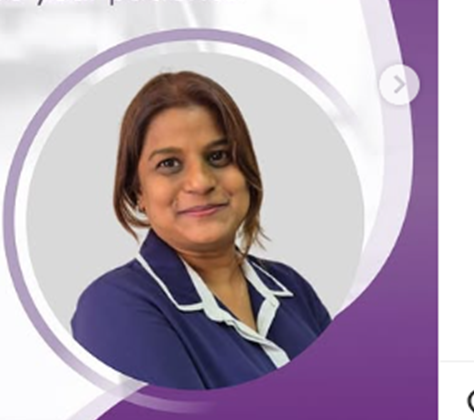
Today's spotlight is Dr. Marie-Joanna Francis, a founding Director, and current President, of the Caribbean College of Family Physicians (CCFP) Trinidad Chapter. Dr. Francis is a native of Trinidad and Tobago and a graduate of the University of the West Indies (UWI) School of Medicine (2008). She worked in Emergency Medicine before moving to her passion; Primary Health Care, pursuing her Diploma in Family Medicine (UWI). She served for years in the position of Primary Care Physician II (PCPII) with the South West Regional Health Authority (SWRHA). This role intensely involved medico-legal duties, especially in the area of sexual offences; inclusive of intimate partner violence. 

She is presently attached to the Trinidad and Tobago Police Service (TTPS) as a Senior Medical Officer and the Head of the Medical Unit. She is also an advocate for the advancement of the Caribbean Forensic Society in Trinidad and Tobago. Before her medical path, she was an active volunteer and executive member at El Shaddai Restoration Home for Children. Early in her medical career she ventured out into Amerindian villages in Brazil and Guyana doing health outreach clinics. Throughout the years she has taken many young girls under her wing, helping them get a proper start in life. Dr. Francis served as an Incident Commander for the County Victoria COVID19 Surveillance Team in the combat against the COVID-19 pandemic. She also functions in the capacity of private practice at Doctor Francis and Associates Family Health and Wellness Centre; and is integral in community outreach programmes.


The Caribbean College of Family Physicians | Trinidad Chapter continues its World Family Doctor Day campaign.  They've gathered thought-provoking responses from several family physicians, and we're eager to share their insights with you.

Copy and paste the link: https://www.instagram.com/p/DI85CPvtlJI/?img_index=1 in your browser and  follow the link to our Instagram page and discover her perspectives on what mental resilience means to a family physician.  Link: https://www.instagram.com/p/DI85CPvtlJI/?img_index=1


MENTAL RESILIENCE - DR ROACHE PERSPECTIVES - WFDD 2025


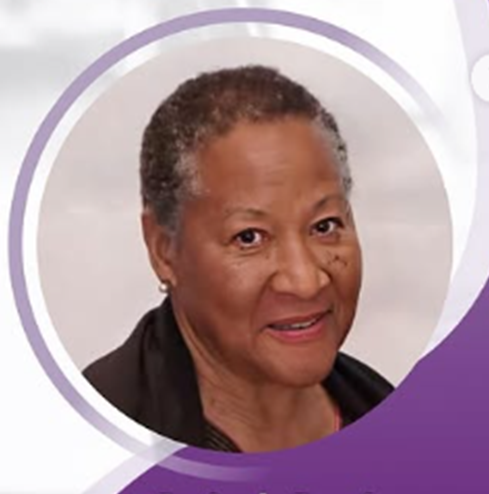
Dr. Sonia Roache, current Executive Director of the Caribbean College of Family Physicians (CCFP) and mentor to many locally and regionally. Dr. Roache is a pioneer in Family Medicine in Trinidad. Originally from Jamaica, she graduated from the University of the West Indies, Mona Campus, in 1964. She worked in hospital prior to initiating her Family Practice here in May 1968. After 56 years of tireless service to her patients and the wider community, she retired from practice in November 2024. Below she gives her  perspectives on what mental resilience means to a family physician.


MENTAL  RESILIENCE

I went, indeed was dragged  into  general practice in 1968 by a fortuitous circumstance, not by choice.

It became  immediately apparent to me that all the training that I  had received  as a hospital-based doctor was totally inadequate for this new task.  I had to retrain myself  and accept that to deliver real care in this new milieu  this training had to be continuous  and for life.  This  needed not only mental acuity  in an environment  of  uncertainty  and virtual aloneness, without the professional  cover  that  obtained  in a hospital  space  but needing emotional and spiritual grounding because your patient(s)  and their families  placed such trust  in you and almost treated you as “prescription- <doctor>.”

Resilience implies rebounding, rebirth,  reinforcing , rebuilding  and this  had to start  with YOU-  the physician because a   person who is well  can better  heal the sick.  So first  heal yourself  and build a personal grounding  from which hope, empathy, caring for suffering  and  true healing  can  be birthed, grow and stay alive.

Integral to this  is honesty, integrity,  patience, humility, non-judgemental acceptance-  developing  a  culture of listening  and involvement without bias, plus intelligent and judicious detachment.  One had always to hone one’s technical ,  communication  and medical knowledge and skills continuously,  and also nurture networking skills  and links  to the professional  community- all this  with the help of Spirit- inner healing.

As age and infirmity  took over, regretfully I also had to learn when to let go-  but still to use  my skills remaining to share  with my community.

The  Family Doctor is  uniquely  and wonderfully placed  to build resilience  and hope- learning when and how to intervene,  counselling with empathy, sensitivity  and  good judgement, guiding in making healthy lifestyle choices and in so doing  become  the healer  for mental  and emotional  ills  that plague  all humanity, the bulwark for the  patient and his/her family in need.


Sonia Roache, R50, May 19 2025

WONCA World  Family Doctor Day

----------------------------------------------------------------------------------------------------------------------------

Dr. Sonia Roache. Dr. Roache is a pioneer in Family Medicine in Trinidad. Originally from Jamaica, she graduated from the University of the West Indies, Mona Campus, in 1964. She worked in hospital prior to initiating her Family Practice here in May 1968. After 56 years of tireless service to her patients and the wider community, she retired from practice in November 2024. She holds the position of Executive Director of the Caribbean College of Family Physicians (CCFP) and is a mentor to many locally and regionally.

Additionally, Dr. Roache is the first Caribbean Family Doctor to be awarded the Global 5 Star Award in 2010, and prior to that, she held the WONCA North America 5 Star Award 2009. She was also rendered a Fellowship of WONCA in 2018, which is WONCA’s most prestigious award.


Tobago Chapter Feature

  Tobago Chapter Feature Welcoming Our New Members (2025–2026) The Caribbean College of Family Physicians (CCFP) is proud to highlight the...